People & Prevention Spotlight
Hello, Partners in Prevention!
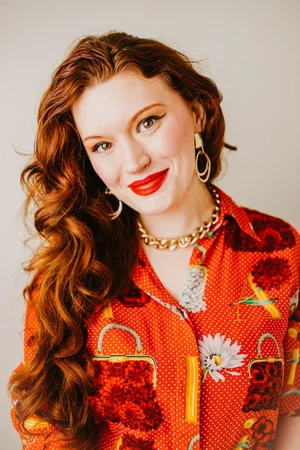
My name is Arielle Hacker (she/her) and I work at Prevent Child Abuse Oregon as the Director of Strategic Initiatives! My role is to help advance the organization’s programmatic and policy work.
I’m excited to get to share PCAO’s first round of the “People & Prevention” edition of our monthly newsletter! As you may have read last month, we are taking a bit of a different approach to our monthly newsletters. Each quarter, there will be 3 different newsletter editions:
Moss & Musings: A PCAO Blog with ED Nicole Cunningham
(This month!) People & Prevention Spotlight
Child Abuse Prevention (CAP) Collaborative Highlights
We felt like it was time to mix it up and we hope you enjoy!
PCAO structured our new approach in this way to give you the chance to 1) learn more about the people that make up PCAO, 2) learn more about the INCREDIBLE humans who make up the CAP Collaborative, and 3) learn alongside us as we work to advance prevention in Oregon!
We model our learning structure (Prevent With Me 1, 2, 3) off of PCA America’s Blueprints for Family Wellbeing. You can check that out here. The Blueprint includes seven “levers” that are important to activate if we want to truly make a big impact for kids, families, and communities. We (PCAO & CAP Collaborative) focus on a couple of levers each quarter and apply those learnings to our work and our daily lives! I’ll include a personal example here and we can practice together :)
This quarter, we are focused on the following levers from the Blueprint:
Shifting Mindsets:More people across the primary prevention ecosystem hold shared mindsets that advocate for the need to bring about cross-sector “upstream” solutions to nurture positive childhoods and advance justice, equity, diversity, inclusion, and belonging.
Setting Formal Goals: More cross-sector organizations, institutions, and governmental agencies have adopted formal goals and outcomes related to building a comprehensive primary prevention ecosystem that can advance the aspirations for children and families.
Before I get to my example, here is a quick little something about me … I LOVE movies. If there is any way I can weave together my love for movies with my love for prevention, I’m going to do that, so … let’s use movies as an example for Shifting Mindsets about prevention!
I went to watch The Odyssey last week and highly recommend the watch if you haven’t seen it and have 3 hours to spare because there were sooo many themes about prevention! Let’s unpack some together and I will try my best to leave out any big spoilers. That being said, if you’re planning to watch soon, maybe come back to this after you’ve seen it (and while you’re watching it, try to note and share with a friend some of the prevention themes that stood out to you!!).
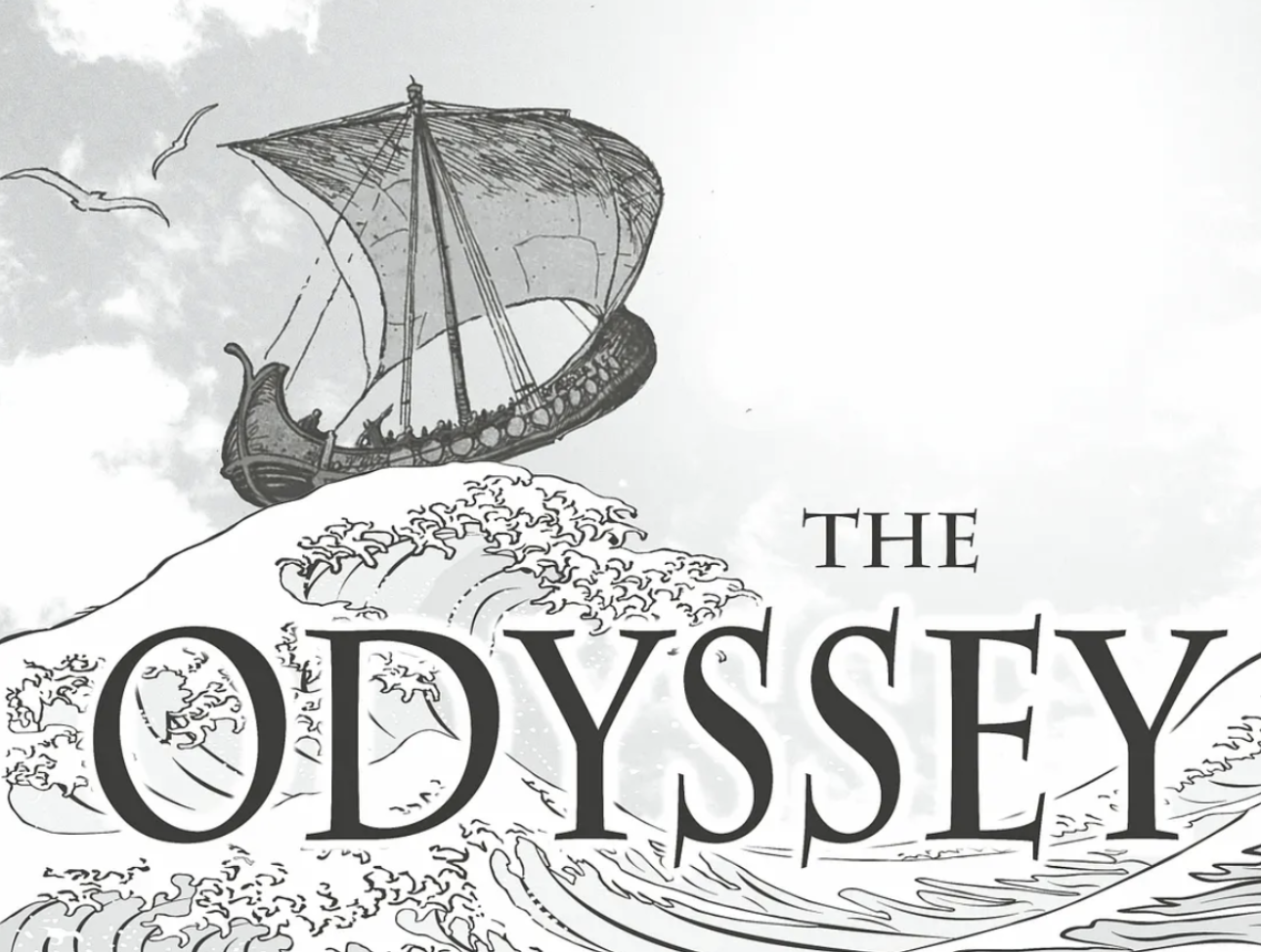

Art by Sarah Jiang ZWIST
Theme 1: Positive Adult Mentorship
Okay, quick context: Eumaeus is Odysseus's swineherd and close friend, and he's been loyal to Odysseus’s family through everything. He's not the main character swinging a sword in battle, he's present, protective, and consistent. He's steady. He's the one quietly making sure Telemachus is okay and that the palace doesn't fall apart while everything else is chaos. That's what protective mentorship looks like in real life too. It's not the flashy hero moment. Sometimes it's just being the safe, trusted adult who shows up consistently. When we talk about "Shifting Mindsets" we can talk about shifting away from the idea that prevention is one big dramatic intervention, and toward understanding that it's often the quiet, steady relationships that change outcomes for kids and families.
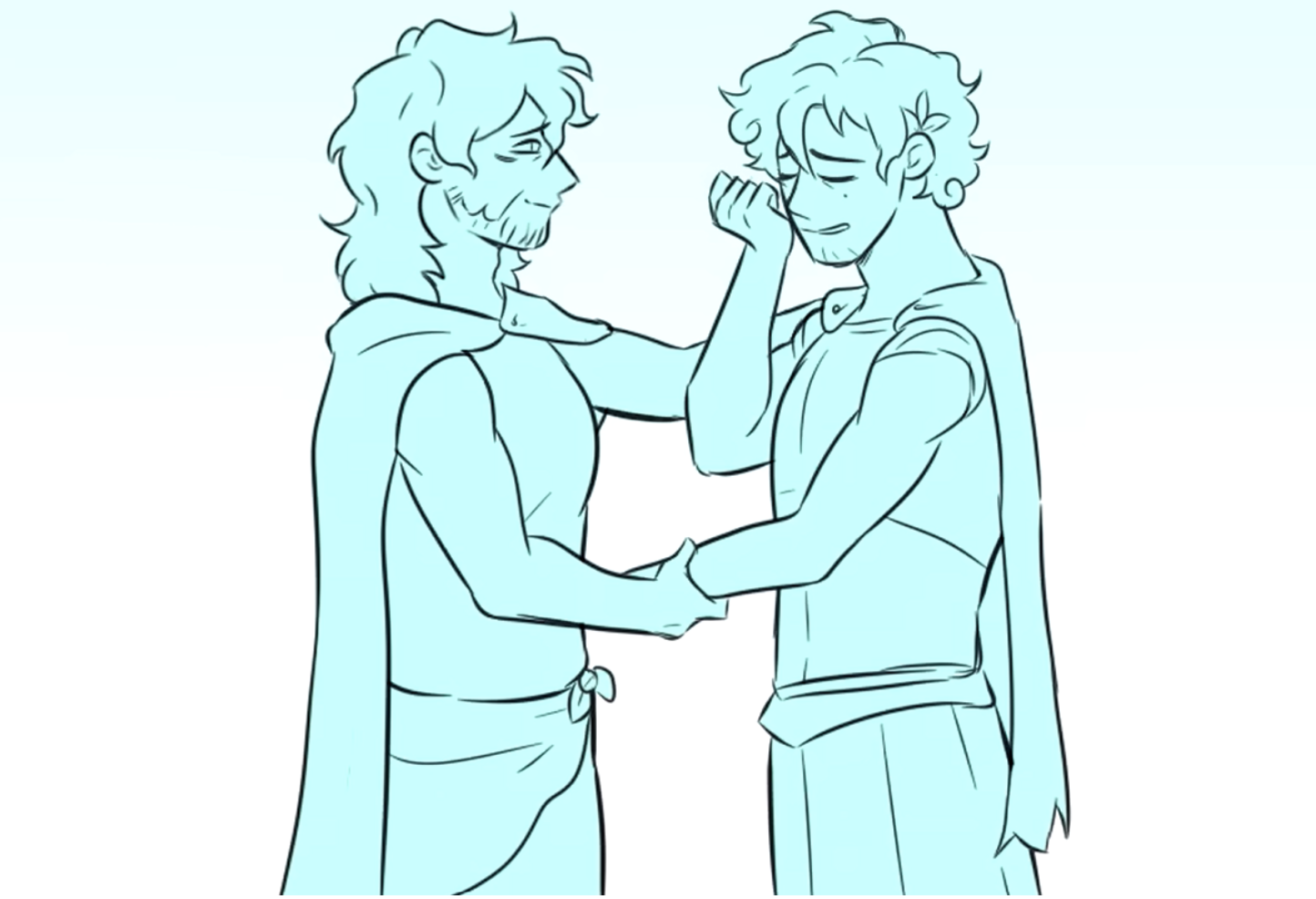
Art by @ximenanatzel
Theme 2: Power and Control
For the whole movie, suitors have basically taken over Odysseus's palace: camping out, eating and drinking all of the supply, instigating violent behavior, and just being …. the worst. Nobody can just throw the suitors out though; the suitors take advantage of a sacred social rule, Zeus’ law of hospitality, which is the belief that people must host guests with utmost respect on the chance that they may be a god in disguise. Nobody stops them, not because nobody notices, but because the norm itself makes staying silent look like the respectful or “right” thing to do. Day in and day out this happens, until the behavior of the suitors becomes normal.
I thought about how power and control aren’t created in one big dramatic moment either: it's a build up, a pressure, it's people taking up space that isn't theirs until it just becomes "how things are." It’s also not the act of one individual or even just a set of many individuals acting together; rules, norms, policies, and institutions are what allow the cycles of power and control and harm to continue.
Where does this all tie in to the second lever: “Setting Formal Goals”? If we don't pair individual intervention with shifting mindsets toward broader systems change, harmful dynamics don't just stay where they are, they become normalized.
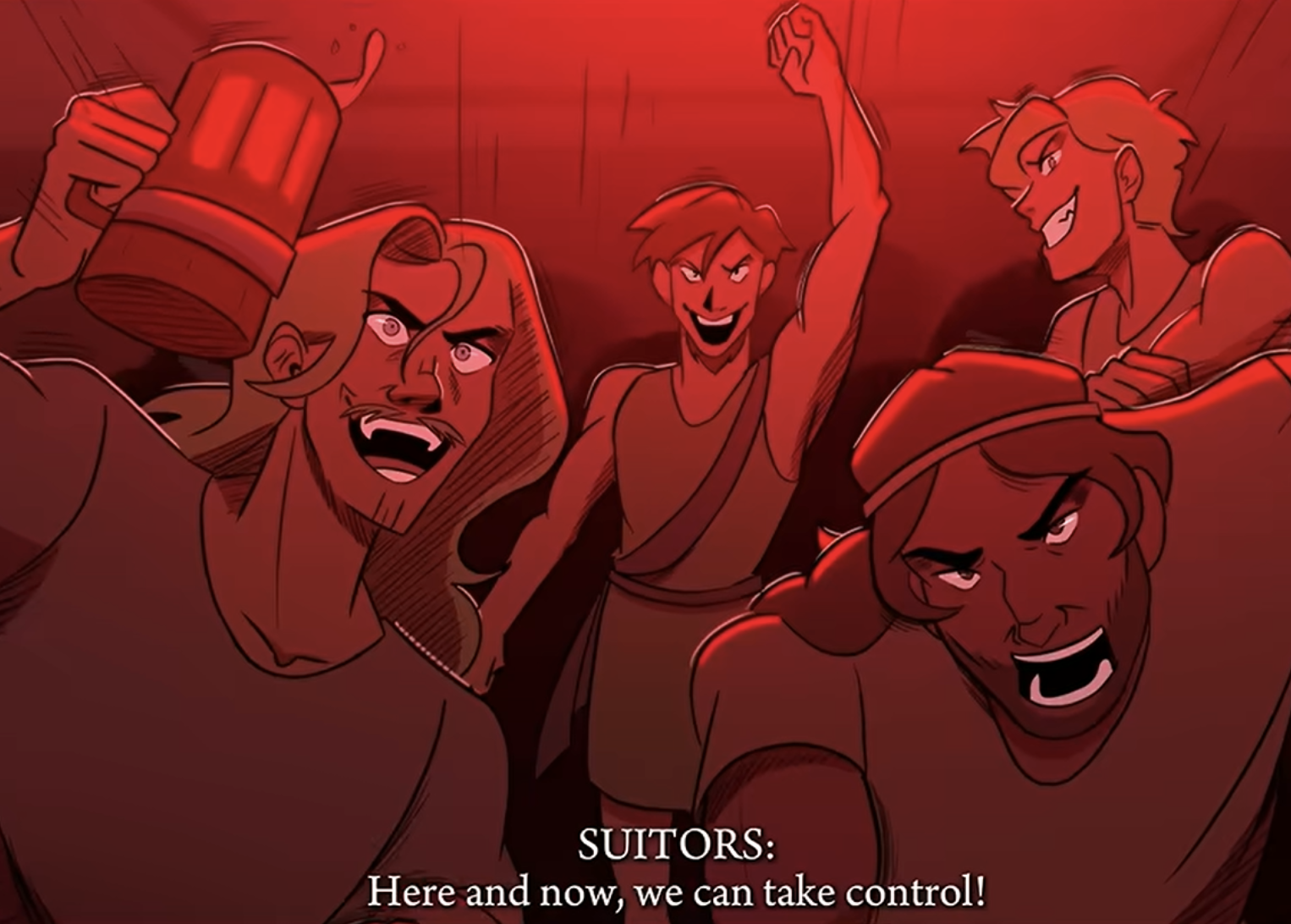
Animation Art by @tododokii
Want to watch more Odyssey?! PCAO staff highly suggest checking out EPIC the musical, composed and created by Jorge Rivera-Herrans- a musical about the Odyssey that was cast and developed on Tiktok with art submitted by the fan base/community!

Art by Sarah Jiang ZWIST
Keep an eye out for the September edition of the newsletter! In that, you’ll learn more about shifting mindsets and setting formal goals from the perspectives of CAP Collaborative members!!
And that’s a wrap on this month’s newsletter, Prevention Partners! Just like Odysseus, we’ve got a long journey ahead of us to get to where we’re going: an Oregon where all kids and families have the support they need, when they need it, in the communities where they live, learn, work, and play. But unlike Odysseus, hopefully we can get there without mythical monsters, or getting lost at sea :)
If you have any reflections, rebuttals, or additions, feel free to reach out! I love talking movies and prevention: arielle@preventchildabuseoregon.org
See you next quarter!